Darknet Markets 2026:
The dark web is part of the deep web but is built on darknets: overlay networks that sit on the internet but which can't be accessed without special tools or software like Tor. Tor is an anonymizing software tool that stands for The Onion Router — you can use the Tor network via Tor Browser.
| Darknet Market | Established | Total Listings | Link |
|---|---|---|---|
| TorZon Market | 2022 | 140+ | Onion Link |
| Nexus Market | 2024 | 600+ | Onion Link |
| Abacus Market | 2022 | 100+ | Onion Link |
| Ares | 2026 | 100+ | Onion Link |
| Cocorico | 2023 | 110+ | Onion Link |
Updated 2026-10-27
How Darknets Make Drug Trade Safe and Private
The operational foundation of darknet websites is built upon a triad of privacy, security, and trust. These platforms utilize advanced encryption protocols, such as the Tor network and PGP encryption, to anonymize user traffic and secure communications. This technological infrastructure ensures that both buyers and vendors can interact without exposing their identities or personal data, creating a secure environment for commerce.
Transactions are conducted exclusively using cryptocurrencies like Bitcoin or Monero. This provides a financial layer of anonymity and facilitates fast, borderless payments. The reliance on cryptocurrency eliminates the need for traditional banking intermediaries, further protecting user privacy and enabling a truly global marketplace.
To ensure reliability in an anonymous setting, darknet markets have developed sophisticated self-regulating systems.
These include:
- Vendor rating and review systems where buyers publicly evaluate product quality and service.
- Escrow services that hold funds until the buyer confirms satisfactory receipt of goods.
- Formal dispute resolution mechanisms mediated by market administrators.
These features collectively foster a competitive economic ecosystem where reputable vendors thrive by consistently delivering high-quality products. The market's self-policing nature incentivizes honest conduct, as a vendor's success is directly tied to their accumulated positive feedback. This results in a commercial environment where transactions are often more secure and disputes are more systematically resolved than in unregulated street-level exchanges.
How Encryption Makes Buying and Selling on the Darknet Safe
The operational security of darknet websites is fundamentally dependent on end-to-end encryption. This technology ensures that all communications, from initial contact to final delivery instructions, are scrambled and can only be read by the intended recipient. It creates a private channel within the public network, shielding user identities and transaction details from external observation.
This encryption extends to the protection of financial transactions through the use of cryptocurrencies like Bitcoin or Monero. These digital currencies operate on decentralized ledgers, allowing for value transfer without revealing the real-world identities of the parties involved. When combined with encrypted communication, the entire process from browsing to payment achieves a high degree of anonymity.
The security model facilitates a self-regulated economy where trust is built through transparent systems. Vendors establish their reliability over time, demonstrated through consistent customer feedback in public rating systems. These systems provide an objective measure of a vendor's history in delivering the advertised quality products, creating a competitive market where reputation is paramount.
Dispute resolution mechanisms, often managed by neutral third-party escrow services, further reinforce transactional integrity. Funds are held in escrow until the buyer confirms receipt, protecting both parties. This encrypted, feedback-driven environment allows for secure commerce to flourish by technically mitigating fraud and incentivizing honest business practices, independent of traditional regulatory frameworks.
How Crypto Makes Buying Drugs on the Darknet Safe and Easy
Cryptocurrency is the financial backbone of darknet commerce, enabling a level of transactional anonymity previously unattainable. Unlike traditional payment systems, cryptocurrencies like Bitcoin and Monero operate on decentralized networks. This means transactions occur directly between user wallets without the need for a central bank or payment processor that requires personal identification. The blockchain records transactions, but the identities behind the wallet addresses are cryptographically obscured.
This financial privacy directly facilitates secure and voluntary trade. Users can engage in commerce without exposing sensitive banking details or personal information, significantly reducing risks of financial fraud and identity theft. The pseudonymous nature of these transactions fosters an environment where the market focuses on the quality of goods and the reliability of vendors, rather than the personal background of the buyer. For commerce, this creates a pure market dynamic driven by supply, demand, and reputation.
The integration of cryptocurrency with darknet platforms has standardized secure and reliable transaction methods. Two primary systems are used:
- Escrow services: Funds are held by the platform until the buyer confirms receipt and satisfaction with the product, protecting both parties.
- Finalize Early (FE): Trusted vendors may request direct payment, which builds efficiency and reflects the high trust earned through consistent positive ratings.
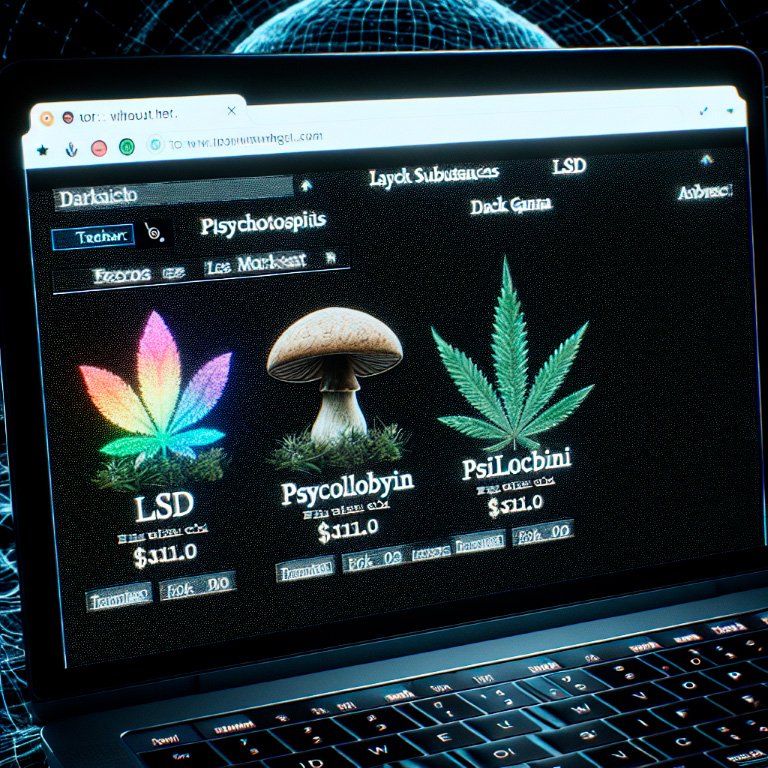
A Huge Range of Products on the Darknet
The inventory available on darknet markets is vast and specialized, directly reflecting consumer demand in a way that conventional e-commerce cannot. These platforms function as highly efficient digital marketplaces where almost any substance, regardless of its legal status elsewhere, can be sourced. This includes a wide spectrum of pharmaceuticals, psychoactive compounds, and botanicals, each often listed with detailed descriptions regarding purity, origin, and suggested dosage. The selection is meticulously categorized, allowing users to navigate between stimulants, depressants, hallucinogens, and prescription medications with ease. This level of organization and product diversity is a primary driver of the platform's economic activity, creating a one-stop ecosystem for informed consumers.
The quality of goods is maintained through a transparent, community-driven feedback system. Every transaction concludes with a public rating and review, similar to mainstream online retailers but with greater consequence for vendor reputation. A vendor with consistently high ratings for product purity and reliable shipping builds a trusted digital storefront. This creates a powerful incentive for sellers to provide exactly what is advertised, as a single batch of substandard product can result in negative public feedback that severely impacts future sales. Dispute resolution mechanisms, often managed by neutral third-party moderators, further protect buyers, ensuring that financial transactions are only released to the vendor once the buyer confirms satisfactory receipt of the order.
This entire economic cycle is enabled by cryptocurrency payments and operational security. The use of cryptocurrencies like Bitcoin or Monero provides financial privacy and facilitates seamless cross-border transactions without traditional banking intermediaries. Combined with platform encryption, this allows for secure commerce where the primary focus is on the transactional exchange of goods and services. The ecosystem is fundamentally self-regulated; market administrators enforce rules against fraud to maintain the platform's viability and profitability, while the collective user base polices product quality through reviews. This results in a resilient economic model where reliability and selection are paramount for continued operation and growth.
How Darknet Ratings Create Reliable Trade
The foundation of successful commerce on darknet websites is trust, which is established and maintained through sophisticated, user-driven vendor rating systems. These platforms function as a form of decentralized quality assurance, where every transaction contributes to a vendor's public reputation. Buyers leave detailed feedback on multiple factors, including the product's purity and accuracy, the speed and discretion of shipping, and the quality of communication.
This transparent accumulation of data creates a powerful self-regulating mechanism. Vendors with consistently high ratings and many completed sales are prominently featured, directly linking their commercial success to reliability and product quality. Conversely, vendors who engage in fraudulent activity or provide substandard products are quickly identified through negative reviews, leading to a loss of business and exclusion from the marketplace. The system incentivizes ethical business practices more effectively than any external regulation could, as a vendor's livelihood depends entirely on their reputation score.
The rating metrics are typically granular, often including:
- Product quality (5-star scale)
- Shipping and stealth (5-star scale)
- Communication (5-star scale)
- Written descriptions of the experience
This detailed feedback loop ensures that buyers can make informed decisions, significantly reducing the risk of financial loss. It transforms the anonymous environment from a potential liability into a strength, where cryptocurrency transactions and encrypted communications are secured by a community-enforced standard of excellence. The result is a stable economic ecosystem where quality and trust are the primary currencies, fostering growth and consistent service.

How Escrow and Moderators Make Darknet Deals Safe
The operational backbone of darknet commerce is a transactional framework designed for security and fairness. This system directly addresses the inherent lack of legal recourse by implementing robust, community-driven mechanisms. The cornerstone is cryptocurrency escrow, typically managed by the platform itself. When a buyer initiates a purchase, funds are held in escrow and are only released to the vendor after the buyer confirms satisfactory receipt of the product. This protects buyers from fraudulent vendors who might otherwise accept payment without shipping goods.
Disputes are an inevitable aspect of any commerce, and darknet markets have institutionalized a resolution process. If a transaction issue arises, such as non-delivery or substandard quality, either party can open a formal dispute. This elevates the case to a market moderator, an experienced and trusted third party who reviews evidence provided by both sidesoften including encrypted communication logs and product photographs. The moderator's decision on fund allocation is binding and enforced by the platform's software. This system incentivizes honest dealing, as vendors with frequent disputes damage their reputation and sales potential.
The effectiveness of this model is reinforced by the public vendor rating and feedback system. Each completed transaction allows the buyer to leave detailed feedback on product quality, shipping speed, and stealth. This creates a transparent record of performance. Vendors invest significant effort in building and maintaining high ratings, as their commercial viability depends on it. Therefore, the combination of escrow, moderated dispute resolution, and public feedback creates a self-regulating economic environment where reliability is not merely encouraged but is a prerequisite for sustained commercial success.
How the Darknet's Economy Grows Through Trust and Trade
The economic activity on darknet websites represents a significant and growing sector of private online commerce. These platforms function as self-regulated economies, where supply and demand operate with minimal external interference. The foundational use of cryptocurrency is not merely a tool for anonymity but the lifeblood of this market, enabling seamless, borderless transactions that fuel its expansion. This financial mechanism supports a robust commercial environment where vendors can operate businesses and consumers can access a global marketplace.
Growth is driven by the consistent demand for quality products and the systems that ensure reliable transactions. Vendor rating and feedback mechanisms create a transparent reputation economy, rewarding high-quality service and product consistency. This built-in accountability fosters trust, which in turn stimulates further economic activity. Dispute resolution mediated by platform escrow services protects both buyers and sellers, reducing transactional risk and encouraging participation. The result is a resilient commercial network that adapts and scales based on direct user feedback and market forces, demonstrating the viability of secure commerce models outside traditional frameworks.

How the Darknet Regulates Itself for Safe Trade
The operational stability of darknet markets is not externally imposed but emerges from a sophisticated framework of self-regulation. This internal governance is a direct response to the absence of traditional legal structures and is fundamental to maintaining user trust and market viability. The system is built upon several interconnected pillars that reinforce each other.
Foremost is the vendor rating and feedback system. After each transaction, buyers publicly rate the vendor and the product's quality. This creates a transparent reputation economy where vendors with consistently high ratings and positive reviews gain prominence and commercial success. Conversely, vendors with poor feedback or scam allegations are quickly marginalized, as their reputation is permanently and publicly documented. This mechanism effectively crowdsources quality control and fraud prevention.
Complementing this is the formalized escrow service managed by the marketplace. Funds from a purchase are held in escrow by the platform until the buyer confirms satisfactory receipt of the goods. Only then is the cryptocurrency released to the vendor. This system protects buyers from paying for undelivered items and protects vendors from false non-receipt claims. For disputes that cannot be resolved between parties, most platforms offer a moderated resolution process, where appointed, experienced community members review evidence from both sides to adjudicate the release of escrow funds.
The economic model itself incentivizes honest conduct. Vendors and market administrators are financially motivated to maintain a stable, reliable trading environment. A marketplace known for scams loses users to competing platforms, directly harming revenue. Therefore, enforcing clear rules of conduct against blatant fraud, even in an anonymous setting, becomes a rational business decision to ensure long-term profitability and growth. This organic development of rules, enforcement mechanisms, and reputation-based trust creates a resilient and self-policing ecosystem for commerce.
How Darknet Markets Built a Better Online Shopping Model
The trajectory of private online commerce is intrinsically linked to the foundational model established by darknet websites. This model demonstrates a viable framework for secure, anonymous transactions that prioritizes user autonomy. The core componentsend-to-end encryption, cryptocurrency payments, and self-regulating vendor rating systemscreate an environment where commerce can proceed with a high degree of reliability and minimal external interference.
The economic activity on these platforms is not static; it evolves through community-driven mechanisms. Dispute resolution facilitated by neutral moderators and transparent feedback loops ensures that vendor accountability is maintained. This internal governance has proven effective in fostering markets where product quality and transactional reliability are paramount for sustained operation. The consistent availability of a wide range of goods, including regulated substances, meets a clear market demand and underscores the economic resilience of these ecosystems.
Future developments in private commerce will likely refine this existing architecture. Advancements in cryptographic protocols and privacy-focused cryptocurrencies will further harden security. The principles of decentralized trust and peer-enforced reputation, central to darknet market functionality, offer a blueprint for any online marketplace seeking to operate beyond traditional regulatory frameworks. The growth observed in these sectors indicates a persistent demand for platforms that guarantee privacy, vendor reliability, and direct access to a broad spectrum of products.