Darknet Markets 2026:
The dark web is part of the deep web but is built on darknets: overlay networks that sit on the internet but which can't be accessed without special tools or software like Tor. Tor is an anonymizing software tool that stands for The Onion Router — you can use the Tor network via Tor Browser.
| Darknet Market | Established | Total Listings | Link |
|---|---|---|---|
| TorZon Market | 2022 | 140+ | Onion Link |
| Nexus Market | 2024 | 600+ | Onion Link |
| Abacus Market | 2022 | 100+ | Onion Link |
| Ares | 2026 | 100+ | Onion Link |
| Cocorico | 2023 | 110+ | Onion Link |
Updated 2026-10-27
Easy, Reliable Access to Your Darknet Marketplace
Finding the correct Nexus market URL is the foundational step for establishing reliable entry to its specialized ecosystem. This platform maintains operational continuity through a system of mirror links and official access points, which are distributed through verified community channels. Users typically acquire these URLs from trusted forums or through secured communication methods, ensuring they bypass common network blocks.
The architecture of the platform employs rotating mirrors and onion service redundancy to mitigate downtime, a common point of failure in similar environments. This design directly supports consistent availability, allowing for uninterrupted browsing and trade. The use of the Tor network's .onion addresses provides the necessary layer of separation from the clearnet, creating a dedicated space for its activities.
Verification of a legitimate URL is critical. A genuine Nexus portal will always require proper Tor browser configuration and will feature consistent security certificates and interface design. Accessing the platform through these verified gateways is what enables the full suite of services, from detailed product listings to the integrated escrow system, forming a cohesive and functional marketplace.
A Simple Guide to Safe and Easy Darknet Shopping
Locating the correct Nexus market URL is the primary step for engaging with its streamlined platform. These addresses, or onion links, are gateways hosted on the Tor network and change periodically for security. Users rely on verified link aggregators and community forums to obtain the current, functional URL, bypassing the need for search engines which do not index these hidden services.
A valid URL ensures direct access to the market's user-centric interface, which is designed for efficient navigation. The layout typically features clear categories, a robust search function, and a dashboard for managing orders and communications. This design reduces friction, allowing buyers to browse detailed product listings and vendor profiles quickly, facilitating faster and more informed trade decisions.
Security during access is paramount. The legitimate Nexus URL will always use HTTPS encryption, indicated by a padlock icon in the Tor browser. This, combined with the anonymity provided by Tor, protects user data from interception. The interface itself integrates the escrow system directly into the transaction workflow, making secure financial dealings a seamless part of the user experience from the moment of login.
How Escrow Makes Buying on the Darknet Safe and Easy
The operational integrity of a darknet market is fundamentally dependent on its transaction security model. A legitimate Nexus market URL provides an escrow system as a core feature, which acts as a neutral third party to facilitate trust between buyers and vendors. When a purchase is initiated, the buyer's funds are held in escrow and are only released to the vendor after the buyer confirms satisfactory receipt of the goods. This mechanism effectively mitigates the risk of fraud, ensuring that vendors are compensated for delivered products and buyers are protected from financial loss.
The escrow process enhances market efficiency by standardizing a secure payment protocol. It allows buyers to engage with a wider range of vendors with greater confidence, which in turn stimulates competitive pricing and improves overall product quality. The system's design requires vendors to maintain a high standard of service to receive payment, as disputes initiated by buyers can result in funds being returned. This creates a self-regulating economic environment where reputation, tied to detailed vendor ratings, becomes a vendor's most valuable asset. Transaction security, therefore, is not an isolated feature but the foundation upon which reliable commerce and informed purchasing decisions are built within the ecosystem.

Clear Listings and Trusted Sellers on the Darknet
The operational efficiency of a darknet market is fundamentally determined by the quality of its product listings and the transparency of its vendor feedback system. A functional platform provides a structured catalog where items are categorized with precision, enabling users to locate specific substances or goods without unnecessary navigation. Each listing includes comprehensive details such as purity percentages, country of origin, and available quantity increments, which are essential for conducting a comparative analysis before a purchase.
Vendor ratings and historical feedback form the cornerstone of transactional security and quality assurance. A robust system archives all past transactions, allowing buyers to assess a seller's reliability based on consistent performance metrics. Key indicators include:
- Shipping speed and stealth packaging techniques
- Communication responsiveness and professionalism
- Product accuracy relative to the advertised description
Smart Shopping on the Darknet
Finding the correct Nexus market URL is the foundational step for accessing its specialized commercial environment. The platform's operational stability relies on a system of mirror links and official access points disseminated through verified community channels. Users typically consult darknet forums and link repositories to obtain the current, functional address, which acts as a direct gateway to the marketplace's full suite of services.
This process ensures secure darknet access by circumventing phishing sites that mimic the legitimate interface. A valid URL leads directly to the platform's user-centric interface, where detailed product listings are organized by category, potency, and vendor reputation. Each listing provides comprehensive specifications, supported by a transparent escrow system that holds payment until order fulfillment is confirmed, significantly mitigating transactional risk.
The architecture of the marketplace facilitates informed decisions through integrated feedback mechanisms. Vendor ratings and historical transaction data are publicly visible, allowing for an analytical assessment of reliability. This ecosystem, accessed via the proper URL, transforms procurement into a structured evaluation of product quality, vendor credibility, and logistical efficiency, directly supporting consumer choice within a self-regulated commercial framework.

A Stable Market Makes Trading Easy
The operational stability of a darknet market is directly linked to the reliability of its primary URL. A stable platform maintains consistent uptime, ensuring users can access their accounts and complete transactions without disruptive outages. This reliability is a technical achievement, often involving robust server infrastructure, effective DDoS mitigation, and a professional administrative team. Markets that frequently change domains or suffer from prolonged downtime demonstrate poor operational security and planning, which increases risk for all participants.
For the user, a reliable URL translates to predictable access. It means not having to search for new mirrors or verification channels constantly, which is a common vector for phishing attacks. A market with a stable main address can focus its security resources on protecting that single, well-known endpoint. This stability also fosters trust in the market's escrow system, as users are confident they can return to the platform to finalize transactions or resolve disputes. The Nexus market URL that remains operational over the long term indicates a mature service capable of managing the complex technical demands of darknet commerce, providing a secure environment for efficient trade.
How Darknet Markets Keep Your Shopping Private
Accessing a darknet market begins with obtaining its correct Nexus market URL, a process where privacy is the first operational step. A functional URL serves as a secure gateway, but its acquisition must be handled with the same discretion as the market itself. Users typically find these addresses through verified directories and community forums that are themselves accessed via the Tor network. Relying on these sources, rather than clearnet searches, prevents exposure to phishing sites designed to steal login credentials and funds.
The architecture of a platform like Nexus integrates several layers to protect user identity. All access requires the Tor browser, which encrypts traffic and routes it through a distributed network, masking the user's IP address. Within the market, further protections are standard:
- The use of cryptocurrency, primarily Monero or Bitcoin with coinjoin, severs the direct link between financial transactions and real-world identity.
- Internal communication employs PGP encryption, ensuring that messages between buyers and vendors remain confidential and tamper-proof.
- Market wallets act as temporary holding accounts, with transactions finalized through the escrow system without requiring direct transfers.
This operational model demonstrates that anonymity is not an abstract feature but a series of concrete, interconnected systems. The correct URL is the entry point to this environment, where privacy is maintained through protocol adherence. The design logic is clear: by minimizing digital footprints and encrypting all data points, the platform creates a space for trade where user security is the foundational principle, directly influencing the market's stability and user trust.
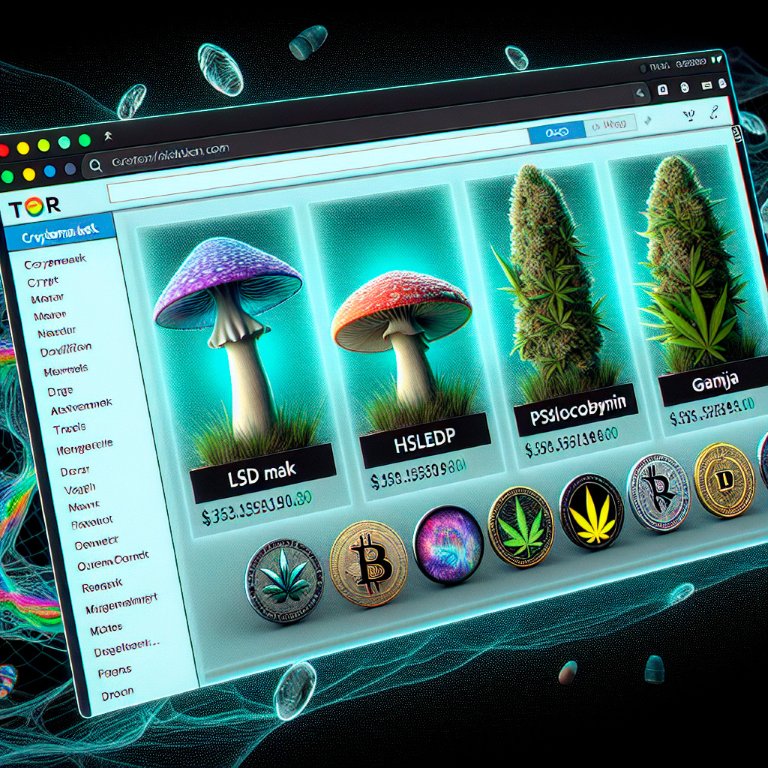
How a Darknet Market Stays Reliable for Buyers and Sellers
Locating the correct Nexus market URL is the first operational step for accessing its specialized ecosystem. This address functions as a unique gateway, analogous to a digital key, enabling entry to a platform designed for discreet commerce. The URL is not static; it changes periodically as a standard security measure against external disruptions. Users typically find the current, valid address through dedicated darknet forum threads or from trusted link aggregator services, which verify the authenticity of the gateway to prevent phishing attempts.
The architecture behind this system employs a rotating mirror system. When one primary URL becomes unreachable, several verified backup addresses, or mirrors, maintain operational stability. This design ensures consistent access, which is critical for both vendor storefront management and customer order fulfillment. The platform's technical foundation, often built upon services like Tor hidden services or I2P, encrypts traffic and obscures the server's physical location, directly supporting the platform's focus on user privacy.
Verification of the URL is paramount. A legitimate Nexus address will use a complex, autogenerated .onion suffix and will require connection through the Tor browser. Users cross-reference new URLs across multiple independent sources to confirm legitimacy. This due diligence mitigates the risk of encountering fraudulent clones designed to steal credentials or funds. The process, while routine, is a fundamental component of the market's secure transactional environment, ensuring that participants interact solely with the genuine platform where the escrow system and vendor reputation metrics are active and trustworthy.