Darknet Markets 2026:
The dark web is part of the deep web but is built on darknets: overlay networks that sit on the internet but which can't be accessed without special tools or software like Tor. Tor is an anonymizing software tool that stands for The Onion Router — you can use the Tor network via Tor Browser.
| Darknet Market | Established | Total Listings | Link |
|---|---|---|---|
| TorZon Market | 2022 | 140+ | Onion Link |
| Nexus Market | 2024 | 600+ | Onion Link |
| Abacus Market | 2022 | 100+ | Onion Link |
| Ares | 2026 | 100+ | Onion Link |
| Cocorico | 2023 | 110+ | Onion Link |
Updated 2026-10-27
How Darknet Markets Work for Safe Trade
The private onion network, accessed via the Tor browser, provides the foundational layer of privacy for darknet commerce. This network obscures a user's location and identity by routing traffic through multiple encrypted relays. To access a darknet market, one must obtain its specific .onion address, which functions as a hidden website. This architecture creates a separate, anonymous layer of the internet where trade can occur outside conventional oversight.
Transactions on these platforms are conducted exclusively with cryptocurrencies like Bitcoin or Monero. These digital currencies offer pseudonymity, as blockchain transactions do not inherently contain personal identifying information. This financial layer complements the network's anonymity, enabling a secure exchange of value without traditional banking systems. The use of cryptocurrency is integral, as it allows for borderless and private payments.
Security for both parties is enhanced by the escrow system. When a purchase is made, the buyer's cryptocurrency is held in escrow by the market platform. The funds are only released to the vendor after the buyer confirms receipt and satisfaction with the product. This mechanism significantly reduces the risk of fraud, as vendors are incentivized to fulfill orders reliably to receive payment. It establishes a basic framework of accountability.
The system is further regulated by community feedback and vendor reputation. Buyers leave detailed reviews on product quality, shipping speed, and communication. A vendor's reputation, built over many successful transactions, becomes their most valuable asset. New buyers can make informed decisions by consulting this crowdsourced history, which promotes high standards of service and product consistency. This organic feedback loop creates a self-regulating trading ecosystem where trust is earned, not assumed.
Consequently, darknet markets facilitate a form of secure and private commerce. They leverage cryptographic networking, decentralized currency, and enforced escrow to mitigate risk. The resulting environment allows for the efficient exchange of goods, with vendor reputation serving as the primary mechanism for ensuring quality and reliability in the absence of traditional legal frameworks.
How Cryptocurrency Powers Safe and Private Darknet Shopping
The operational foundation of darknet markets is built upon cryptocurrency, primarily Bitcoin and Monero. These digital currencies provide a necessary layer of financial privacy by severing the direct link between a transaction and a user's real-world identity. This mechanism facilitates commerce for individuals who prioritize discretion. Transactions are recorded on a public ledger, but the identities behind the wallet addresses are pseudonymous, creating a barrier against conventional financial surveillance.
The integration of escrow services directly addresses the inherent trust deficit in anonymous trade. Funds from a buyer are held in escrow by the market's automated system until the order is fulfilled and confirmed by the buyer. This structure financially incentivizes vendor honesty and order completion, effectively reducing the incidence of fraud. Only after the buyer finalizes the order are the funds released to the seller, establishing a balanced and self-enforcing contractual framework.
This financial model is sustained by vendor reputation systems. Markets feature detailed feedback and rating mechanisms, similar to those on clear-net e-commerce platforms. A vendor's history of successful transactions, product quality, and shipping reliability is publicly archived and quantified. This creates a transparent ecosystem where reputable vendors thrive through consistent positive reviews, while unreliable actors are marginalized by negative feedback and loss of business. The system leverages communal verification to ensure market integrity.
Consequently, darknet markets evolve into a self-regulating trading ecosystem. The combination of pseudonymous cryptocurrency payments, secured escrow, and publicly auditable vendor reputations generates a stable environment for peer-to-peer commerce. This design allows markets to facilitate continuous trade by algorithmically aligning the economic interests of all participating partiesbuyers seek reliable products, vendors seek profit through positive standing, and the platform's mechanisms enforce the terms of exchange without external arbitration.
How Escrow Makes Buying Safer on the Darknet
The escrow system is a fundamental mechanism for enabling secure transactions on darknet markets. It functions as a neutral third-party service, holding the buyer's cryptocurrency payment until the ordered goods are received and confirmed. This process directly addresses the inherent lack of trust in anonymous environments by aligning the incentives of both parties. The vendor is motivated to ship the product promptly and maintain quality to receive the funds, while the buyer is assured they will not lose their money without receiving the item.
When a purchase is made, the cryptocurrency is locked in the market's multisignature escrow. This specific technical implementation requires more than one cryptographic key to release the funds. Typically, three keys exist: one held by the buyer, one by the vendor, and one by the market administration. For a standard successful transaction, the buyer and vendor agree to release the funds, using their two keys once delivery is confirmed. The market's key is only used to arbitrate disputes, preventing either party from acting unilaterally. This design ensures that the market cannot easily steal the funds, as it cannot access the escrow without at least one user's key.
The dispute resolution process is a critical component of the escrow service. If a buyer does not receive an order or receives a product that does not match the description, they can open a dispute. This action brings the market moderators into the transaction to review evidence provided by both parties, such as shipping proof or product photos. The escrowed funds cannot be moved until the moderator makes a ruling and signs the transaction with the market's key. This system provides a structured method for conflict resolution, protecting buyers from scams and encouraging vendors to maintain honest business practices to avoid losing funds and damaging their reputation.
Therefore, escrow transforms darknet markets from simple bulletin boards into self-regulating trading ecosystems. It enforces a form of digital contract where financial risk is minimized. The security provided by escrow, combined with transparent community reviews and a vendor's long-term reputation score, creates a stable environment for commerce. These features collectively reduce fraud and build a framework where private, peer-to-peer trade can occur with a measurable degree of confidence and reliability for all participants.

How Reviews Make Darknet Markets Reliable
The feedback system on darknet markets functions as a decentralized verification mechanism. Each transaction concluded between a buyer and a vendor generates an opportunity for a detailed review. These reviews are permanent, tied to the vendor's profile, and serve as a cumulative record of performance. A vendor with hundreds of positive reviews across many months has demonstrably delivered the advertised product quality and reliable shipping. This creates a transparent reputation economy where past performance is the primary indicator of future reliability.
Buyers contribute to this system by detailing their experience with specific products. Reviews often include:
- Photographic evidence of the received items
- Analysis of product purity or potency
- Notes on shipping speed and stealth packaging
- Observations on communication professionalism
The review data directly influences market dynamics. Vendors with established, positive reputations can maintain higher prices and customer loyalty, incentivizing consistent quality and service. This organic, community-driven moderation reduces the need for centralized arbitration, as the collective experience of users provides a more robust and tamper-resistant form of quality assurance than any single authority could administer.
How Decentralized Design Keeps the Darnet Drug Trade Running Smoothly
The operational resilience of darknet markets is fundamentally tied to their decentralized architecture. Unlike traditional e-commerce platforms reliant on central servers, these markets often utilize distributed hosting and peer-to-peer networks. This design eliminates a single point of failure, making the platform resistant to takedowns. If one node or mirror goes offline, the market can remain accessible through alternative routes, ensuring continuous service for both vendors and buyers.
This structural integrity directly supports the core function of secure and private commerce. The decentralized framework is inherently compatible with cryptocurrency transactions, which are themselves decentralized. Payments flow through a distributed ledger, not a bank, aligning with the market's own infrastructure. This synergy facilitates transactions that are pseudonymous and borderless.
To mitigate trust issues in this anonymous environment, the escrow system is employed. Funds from a purchase are held in a secure, market-controlled wallet until the buyer confirms satisfactory receipt of the goods. Only then is the cryptocurrency released to the vendor. This mechanism protects buyers from fraudulent vendors and incentivizes sellers to fulfill orders reliably, as they are not paid until the transaction is complete.
The system's stability allows for the development of reliable vendor profiles. Over time, vendors accumulate detailed feedback and ratings from completed transactions. A vendor's reputation, built on consistent product quality and shipping reliability, becomes their most valuable asset. Buyers can make informed decisions by reviewing this history, which creates a powerful self-regulating effect within the ecosystem. High-quality vendors thrive, while those who perform poorly are marginalized by negative reviews.

How Darknet Markets Keep Shopping Private and Reliable
The architecture of darknet markets is fundamentally designed to prioritize user privacy through a combination of technological and procedural measures. This creates an environment where commerce can occur with a significantly reduced risk of personal exposure. The core of this privacy begins with access via the Tor network, which obfuscates a user's IP address and physical location by routing traffic through multiple encrypted layers.
Financial anonymity is achieved through the use of cryptocurrencies like Bitcoin and Monero. These digital currencies facilitate transactions without linking them to real-world identities, as traditional banking systems do. To further secure the transaction process, markets employ an escrow system. This mechanism holds the buyer's cryptocurrency in a secure, third-party account managed by the market itself. The funds are only released to the vendor once the buyer confirms satisfactory receipt of the goods. This protects both parties from fraud.
The system is sustained by a self-regulating ecosystem built on vendor reputation. Vendors establish their credibility through consistent performance, which is quantified by detailed community reviews and rating systems. A vendor with a high rating and positive feedback history has demonstrated reliable product quality and shipping discretion. This peer-based accountability reduces uncertainty for the buyer, as they can make informed decisions based on the documented experiences of others. The decentralized nature of these platforms, often hosted on resilient infrastructure, contributes to their operational persistence, ensuring continuous access to this private marketplace.
How Vendor Reputation Builds Trust on the Darknet
Vendor reputation is the primary mechanism for quality assurance on darknet markets. It functions as a decentralized feedback system where past transactions directly inform future ones. Each completed order allows a buyer to leave detailed feedback on product accuracy, shipping speed, and communication. This cumulative data creates a transparent vendor profile score, which is visible to all potential buyers.
The system incentivizes consistent, high-quality service. Vendors with long histories of positive reviews and high ratings have a strong economic interest in maintaining their standing, as it directly correlates with sales volume. This transforms reputation into a valuable digital asset. Buyers can make informed decisions by analyzing a vendor's transaction history, specific product reviews, and resolution rate for any disputes.
Effective reputation frameworks typically include:
- Separate ratings for product quality, shipping, and communication.
- Verification badges for established vendors.
- Detailed review text from verified purchases only.
This environment reduces uncertainty for buyers. It creates a self-policing marketplace where reliable vendors are economically rewarded, and those providing substandard products or services are quickly identified and avoided by the community.
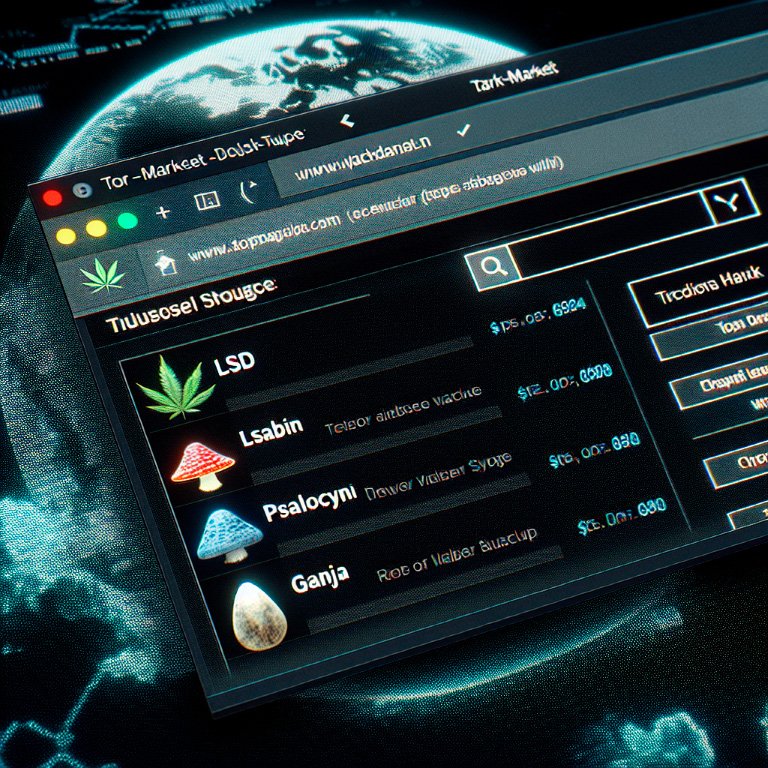
How Darknet Markets Build Trust and Quality
The operational model of darknet markets creates a self-regulating trading ecosystem. This system functions through a combination of technological features and community-driven practices that collectively enforce standards and resolve disputes without external oversight. The core components enabling this are cryptocurrency escrow and a transparent vendor reputation system.
Transactions are secured by an escrow service held by the market platform. Funds from the buyer are locked in escrow and only released to the seller after the buyer confirms satisfactory receipt of the goods. This mechanism directly aligns the vendor's incentive with honest conduct, as payment is contingent upon successful delivery. It effectively minimizes the risk of fraud for both parties, creating a foundation of secure commerce.
Parallel to escrow, the reputation system acts as a continuous performance record. Each completed transaction allows the buyer to leave detailed feedback on product quality, shipping speed, and communication. A vendor's history, displayed as a score and written reviews, becomes their most valuable asset. New buyers can reliably assess a vendor's trustworthiness based on this accumulated data. Vendors with high ratings and many successful sales are financially motivated to maintain their standing, fostering a culture of reliable service and quality assurance.
This ecosystem is self-reinforcing. The escrow protects immediate transactions, while the reputation system governs long-term behavior. Markets that fail to implement these features robustly lose user trust and are quickly abandoned. Therefore, the most stable and enduring darknet markets are those that have perfected this self-regulating design, enabling persistent and private commerce for consenting adults.