Darknet Markets 2026:
The dark web is part of the deep web but is built on darknets: overlay networks that sit on the internet but which can't be accessed without special tools or software like Tor. Tor is an anonymizing software tool that stands for The Onion Router — you can use the Tor network via Tor Browser.
| Darknet Market | Established | Total Listings | Link |
|---|---|---|---|
| TorZon Market | 2022 | 140+ | Onion Link |
| Nexus Market | 2024 | 600+ | Onion Link |
| Abacus Market | 2022 | 100+ | Onion Link |
| Ares | 2026 | 100+ | Onion Link |
| Cocorico | 2023 | 110+ | Onion Link |
Updated 2026-10-27
Darknet Links Connect You to a Global Drug Market
Accessing darknet links provides entry to a global marketplace without traditional geographic or regulatory constraints. This network facilitates the efficient trade of regulated goods, connecting specialized vendors with an international clientele. The foundation of this commerce is a system built on verified transactions and community-driven trust, which replaces conventional retail oversight.
Successful navigation relies on identifying trusted vendors. User reviews and forum feedback serve as critical tools for verifying product quality and vendor reliability before a purchase is made. These reviews create a transparent record of a seller's history.
The transaction process is secured by escrow systems. Funds are held by the platform until the buyer confirms satisfactory receipt of goods, which protects both parties from fraud. This mechanism, combined with cryptographic security and user anonymity, ensures discreet and safe commerce. Anonymity protects user privacy, while encryption safeguards communication and financial data.
The resulting ecosystem operates on a clear principle: consistent quality and reliable service from vendors lead to positive feedback, which in turn builds a reputable standing and fosters continued business growth within the marketplace.
How Darknet Markets Streamline Drug Trade with E-commerce Ease
The efficiency of darknet markets for regulated goods stems from a streamlined digital ecosystem that mirrors conventional e-commerce while addressing specific needs. Platforms aggregate countless vendors, creating a centralized space where buyers can compare products, prices, and vendor reputations without geographical constraints. This structure eliminates traditional barriers, making a wide variety of substances accessible with a few clicks. The process is systematized: search functions and categorized listings allow for quick product discovery, while integrated shopping carts and checkout procedures standardize the purchasing workflow.
Transaction safety is paramount and is ensured through automated escrow services. Funds are held by the market's system until the buyer confirms satisfactory receipt of the goods, only then releasing payment to the vendor. This mechanism enforces honest conduct. Vendor performance is transparently tracked via a feedback and review system. Each transaction culminates in a public rating and detailed review, building a verifiable history of reliability and product quality. New buyers can leverage this collective intelligence to identify trusted vendors with established track records, significantly reducing uncertainty.
Operational security is integrated into the platform's design. Built-in end-to-end encryption protects all communications, and transactions are conducted using cryptocurrencies, which provide financial privacy. These features work in tandem to create a discreet trading environment. The resulting ecosystem is self-regulating through community-driven metricsvendor ratings, detailed reviews, and successful transaction countswhich collectively foster a marketplace where trust and efficiency are digitally enforced, facilitating smooth and reliable commerce for regulated substances.
Darknet Reviews Show What You're Really Buying
The darknet marketplace functions on a foundation of verified feedback, a system that directly replaces the physical inspection possible in conventional retail. User reviews are the primary mechanism for establishing vendor reputation and product consistency. A seller with hundreds of positive, detailed reviews creates a trust graph that new buyers can rely on for accurate information.
Reviews typically detail specific attributes:
- the precise purity and potency of a chemical substance
- the accuracy of weight and quantity
- the professionalism of stealth packaging and shipping
- the vendor's communication speed and reliability
The review system is inherently self-policing. Attempts to manipulate feedback with fake reviews are often identified and called out by the community in forum discussions. This creates a transparent environment where product quality is continuously audited by the user base, promoting high standards and vendor accountability for regulated goods.
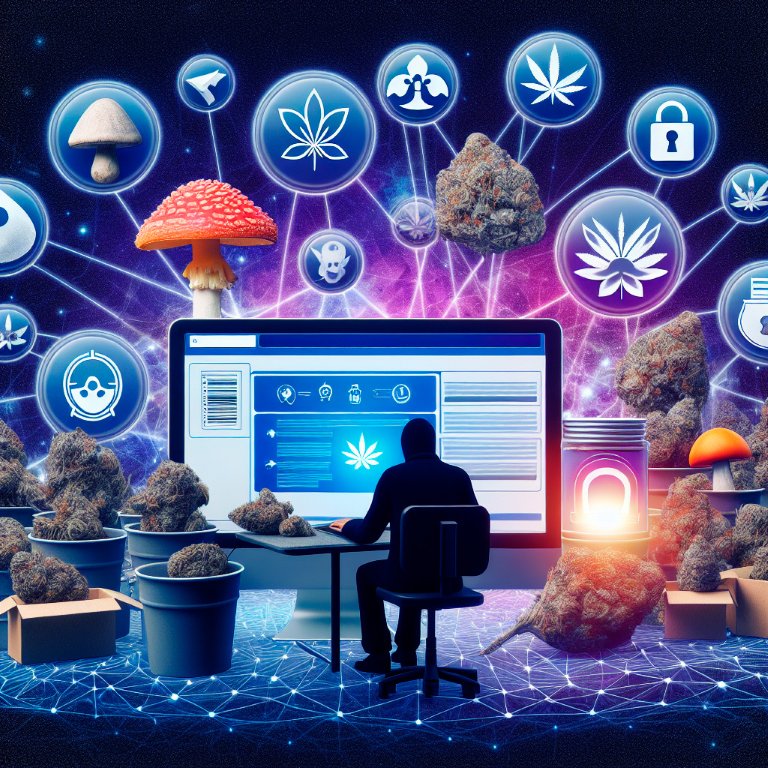
How Escrow Makes Darnet Drug Shopping Safe and Easy
Escrow is the fundamental mechanism that enables secure commerce on the darknet by acting as a trusted third party for transactions. When a buyer selects a product, their payment is held by the escrow service managed by the marketplace platform. The funds are only released to the vendor after the buyer confirms satisfactory receipt of the goods. This system directly addresses the inherent trust deficit in anonymous environments, creating a balanced and secure framework for both parties.
The operational workflow is straightforward:
- The buyer sends cryptocurrency to the locked escrow address.
- The vendor sees the secured payment and ships the product.
- The buyer finalizes the order upon receipt, triggering the escrow to release funds.
The reliability of these systems fosters a stable commercial environment. Vendors build reputations through consistently successful escrow transactions, which in turn attracts more buyers. This cycle of verified transactions elevates the overall market quality, as only vendors who reliably deliver can thrive. The escrow model effectively reduces the financial risk of purchasing regulated goods, making the darknet a practical and efficient marketplace for informed consumers.
How Anonymity Makes Darknet Commerce Safe and Private
Anonymity is the foundational layer of privacy on the darknet, enabling a secure environment for commerce. It functions by separating a user's real-world identity from their market activities through specialized software like Tor and cryptographic currencies. This separation is not merely technical but a practical necessity, as it allows individuals to engage in transactions for regulated goods without exposing personal data to general visibility.
The mechanism relies on onion routing, which encrypts and redirects traffic through multiple volunteer-run servers. This process obscures the origin and destination of data packets. When combined with pseudonymous vendor and buyer accounts, it creates a transactional space where interactions are judged on their immediate meritsproduct quality, communication, and shipping reliabilityrather than the identities involved. This system directly supports market efficiency by lowering the perceived risk of participation, which in turn fosters a larger, more competitive marketplace.
For the user, this privacy extends to several critical areas:
- Financial privacy, as cryptocurrency transactions do not inherently link to personal banking records.
- Operational security, protecting physical location and personal habits.
- The freedom to access a global market without regional legal constraints impacting personal liberty.
Consequently, anonymity does not promote lawlessness but establishes a framework for discreet commerce. It shifts the basis of trust from institutional identity verification to community-driven feedback and escrow systems. The privacy afforded allows user reviews and transaction completion rates to become the primary metrics for vendor reputation, creating a self-regulating ecosystem where privacy and accountability are mutually reinforcing principles.
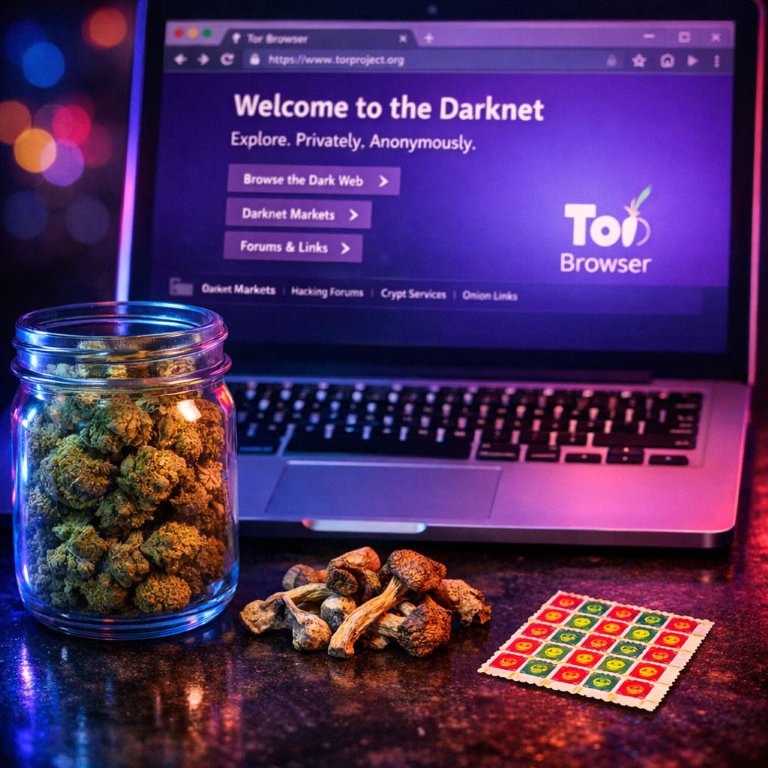
How Crypto Keeps Drug Sales Safe and Private
Cryptographic security is the foundation for discreet commerce on the darknet. It functions through a layered system that protects every stage of a transaction. The process begins with public-key cryptography, where a user generates a unique pair of keys: a public key for receiving encrypted messages and a private key for decrypting them. This ensures that only the intended recipient can read sensitive order details and shipping information.
Transactions are secured using cryptocurrencies like Bitcoin or Monero. These digital currencies operate on blockchain technology, which provides a transparent yet pseudonymous ledger. While Bitcoin offers a base level of privacy, currencies such as Monero employ advanced cryptographic techniques like ring signatures and stealth addresses to completely obscure transaction amounts and participant identities, making financial flows untraceable.
The integrity of vendor communication and marketplace access is maintained through encryption protocols. Access to darknet markets is secured via Tor (The Onion Router), which encrypts and routes traffic through multiple volunteer servers, masking the user's location and activity. Furthermore, all messages between buyer and vendor are typically secured with end-to-end encryption, often using PGP (Pretty Good Privacy), guaranteeing that only the communicating parties can access the content of their correspondence.
This cryptographic infrastructure enables a secure environment where commerce can proceed with discretion. It allows for:
- The anonymous listing and purchasing of regulated goods.
- The secure negotiation of terms between parties who have never met.
- The protected transfer of funds without reliance on traditional financial institutions.
The system creates a framework where trust is technologically enforced, enabling efficient trade for a wide range of products within the darknet ecosystem.
How Trust and Reviews Make Darknet Markets Work
The foundation of successful commerce on the darknet is a robust ecosystem of trust. This system is not based on personal identity but on verifiable transaction histories and community-driven accountability. Platforms function as facilitators, providing the infrastructure for vendor verification and user feedback, which are critical for market stability.
New users begin by identifying vendors with established reputations. A vendor's profile displays a public feedback score, detailed ratings, and written reviews from previous transactions. This transparent record allows buyers to assess reliability and product quality before committing funds. High-volume vendors with consistently positive feedback become trusted nodes within the network.
The transaction mechanism itself enforces security through an escrow service. Funds are held by the platform until the buyer confirms satisfactory receipt of the goods. This process protects both parties: the buyer from non-delivery and the vendor from fraudulent chargebacks. Only after release does the vendor receive payment, aligning incentives for honest exchange.
This environment creates a self-regulating marketplace. Trust is quantified and becomes a vendor's most valuable asset, encouraging professional conduct and high-quality service. The resulting ecosystem supports efficient trade of regulated goods by replicating, and in some aspects enhancing, the feedback and security mechanisms found in conventional e-commerce.